
Back
Sweat gland suction
Medically reviewed by Dr. Shirin Milani / Dr. Veith Moser — Specialists in Plastic, Aesthetic and Reconstructive Surgery (Austrian Medical Chamber)Last updated: 26.03.2026
“Finally no more extreme sweating!”
Sweat gland suction against excessive sweating
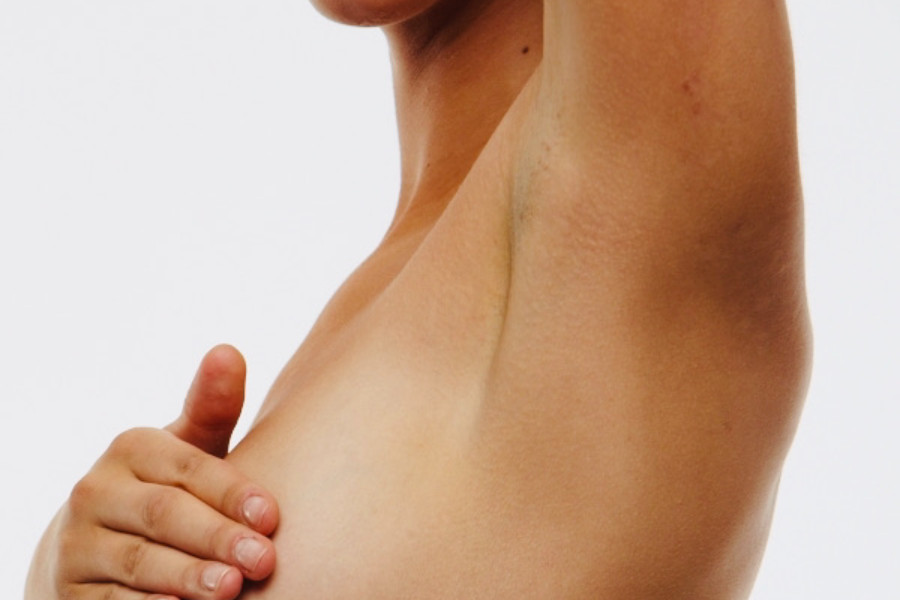
< div> During sweat gland removal, cells are sucked out like liposuction, in this case the sweat glands located deeper in the skin. The best results are achieved with this procedure using suction curettage using the tumescent procedure. A saline solution with local anesthesia is injected under the skin of the armpit. After an exposure time of approx. 30 minutes, the sweat glands are sucked out using a special suction device. After treatment, the incisions are closed with adhesive plasters and a compression bandage is applied. The sweat glands that are sucked out do not grow back. In general, a reduction in sweat production of around 70 to 80 percent can be expected.
Sweat gland suction
SWEAT GLAND SUCTION AT A GLANCE
Surgery duration: 30 minutes
Anesthesia: local anesthesia, possibly with twilight sleep
Hospital stay: outpatient
Pressure bandage: 14 days
Sport: after 4 – 6 weeks
Sociable: after a few days
Inability to work: a few days / 1 week
No heavy work with the upper body and overhead work for 6 weeks.
BEFORE THE OPERATION
For a period of approximately 14 days before sweat gland suction, you should avoid medications containing acetylsalicylic acid (e.g. aspirin, ASS , etc.) as they impair blood clotting. You should also largely avoid alcohol, cigarettes and sleeping pills. Nicotine can also reduce blood flow to organs and delay wound healing. Therefore, avoid nicotine two weeks before the operation and also during the wound healing phase.
AFTER THE OP
After welding An absorbent pressure bandage is applied during suction. The absorbent material is changed during the check-up
Pressure bandage: 14 days
Sport: after 4 - 6 weeks
THAT WILL HAPPEN
In general This area is treated with local anesthesia. The procedure is carried out on an outpatient basis; an inpatient hospital stay is not necessary. The best results are achieved with suction crettage using the tumescent procedure. After the operation, the wound is closed with adhesive plasters and a compression bandage is applied.
THAT CAN HAPPEN
Any swelling and discoloration caused by bruising usually subside after two to three weeks. There may also be a temporary sensory disturbance in the armpit area or on the inside of the upper arm, which returns to normal after a few weeks.
Before Surgery
ZERO
After Surgery
ZERO
Surgery Highlights
ZERO
Possible Risks
ZERO